
Learning Reimagined
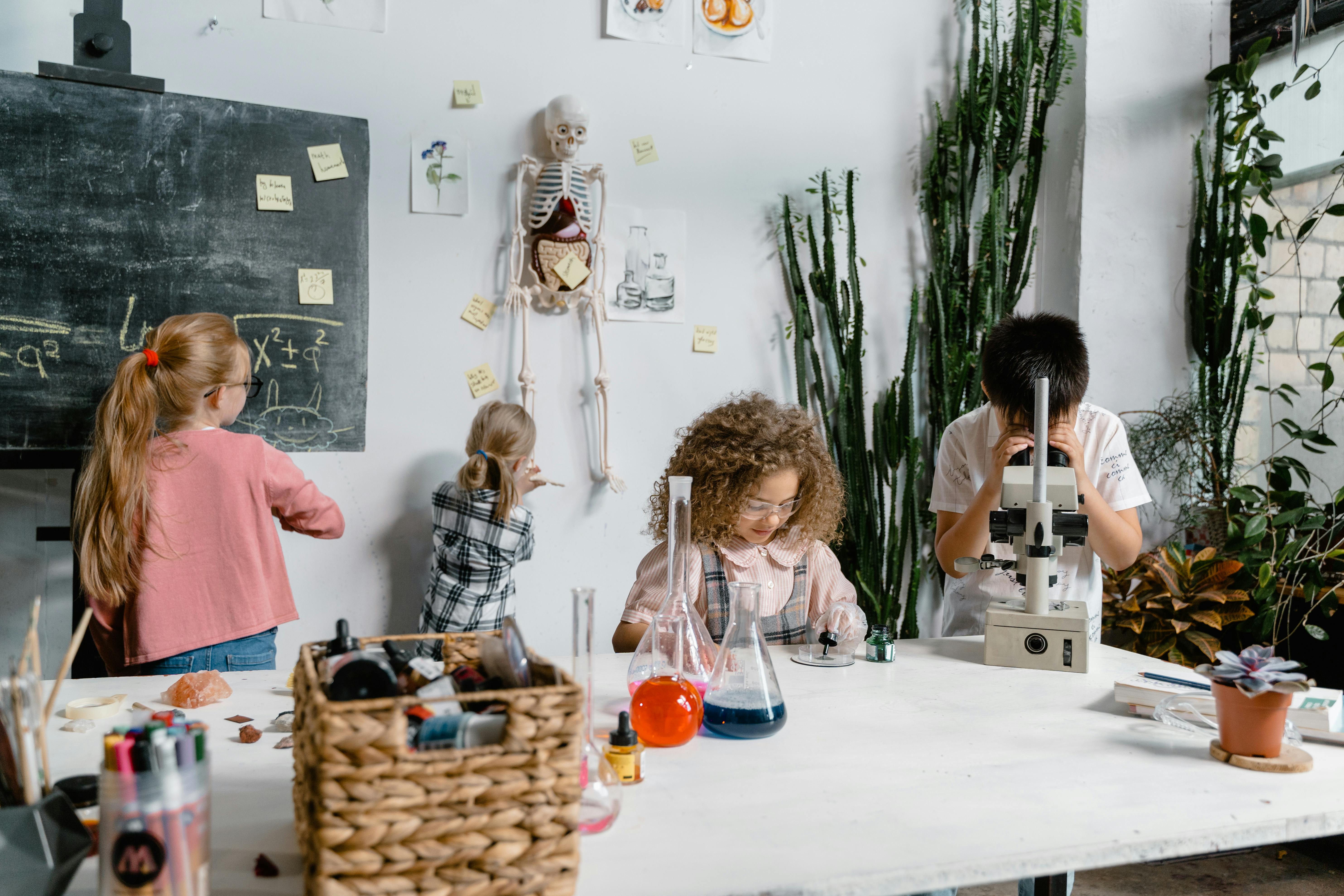
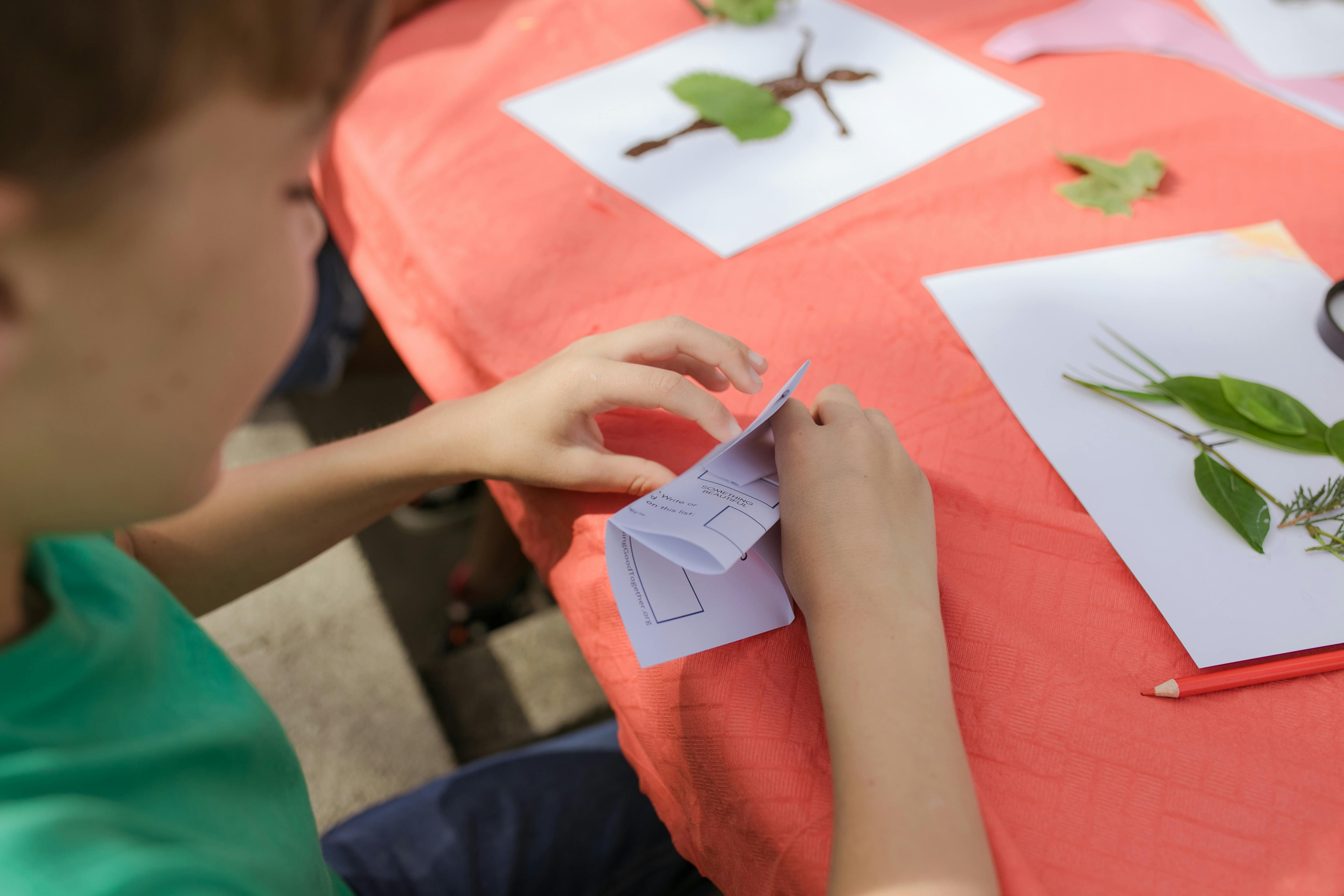
Real-world education and hands-on learning experiences designed for academic growth and character development, incorporating outdoor exploration and diverse, flexible learning spaces that support creativity, collaboration, and individualized learning.




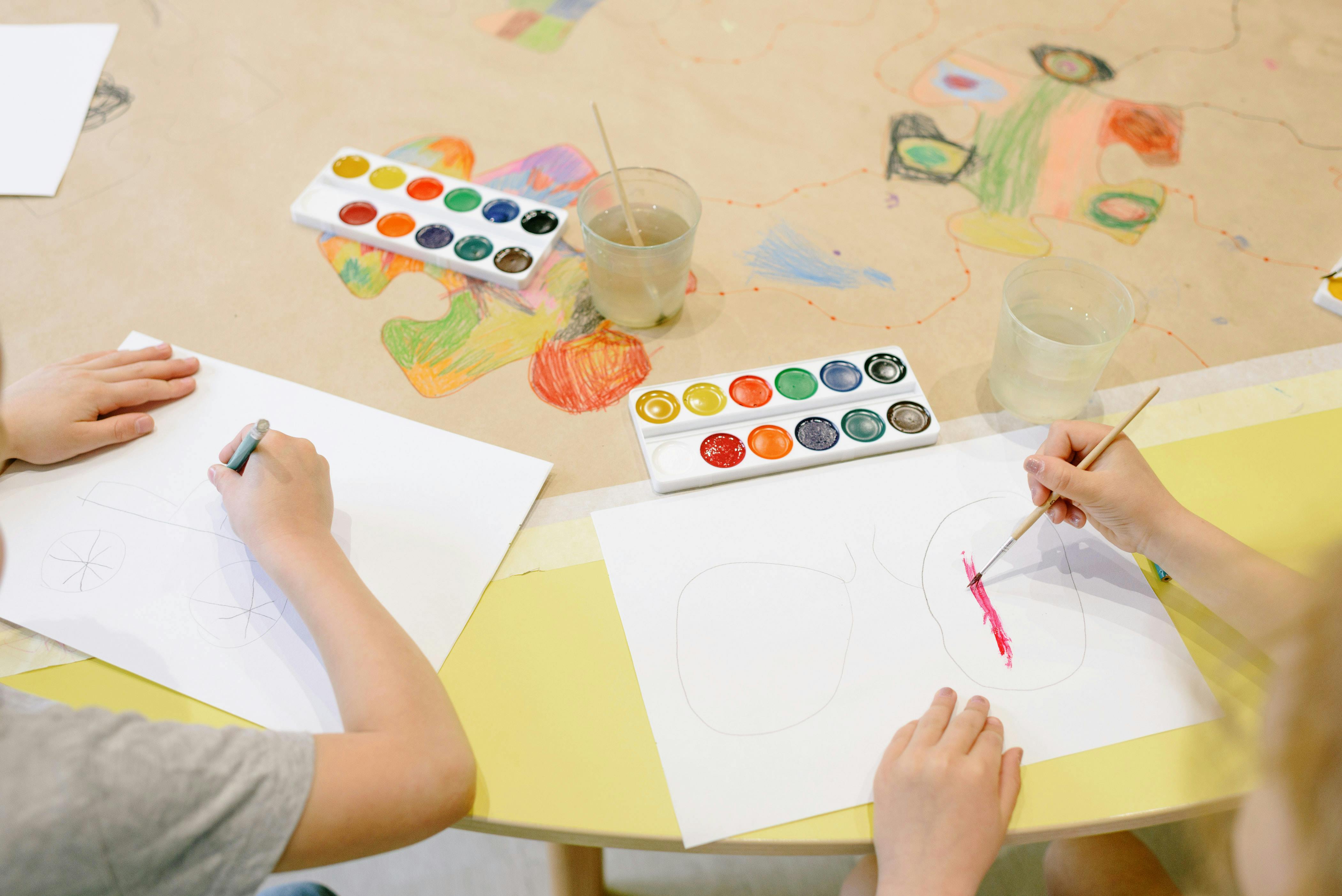


Developing the whole child
Strong learning.
Confident students.
Meaningful growth.
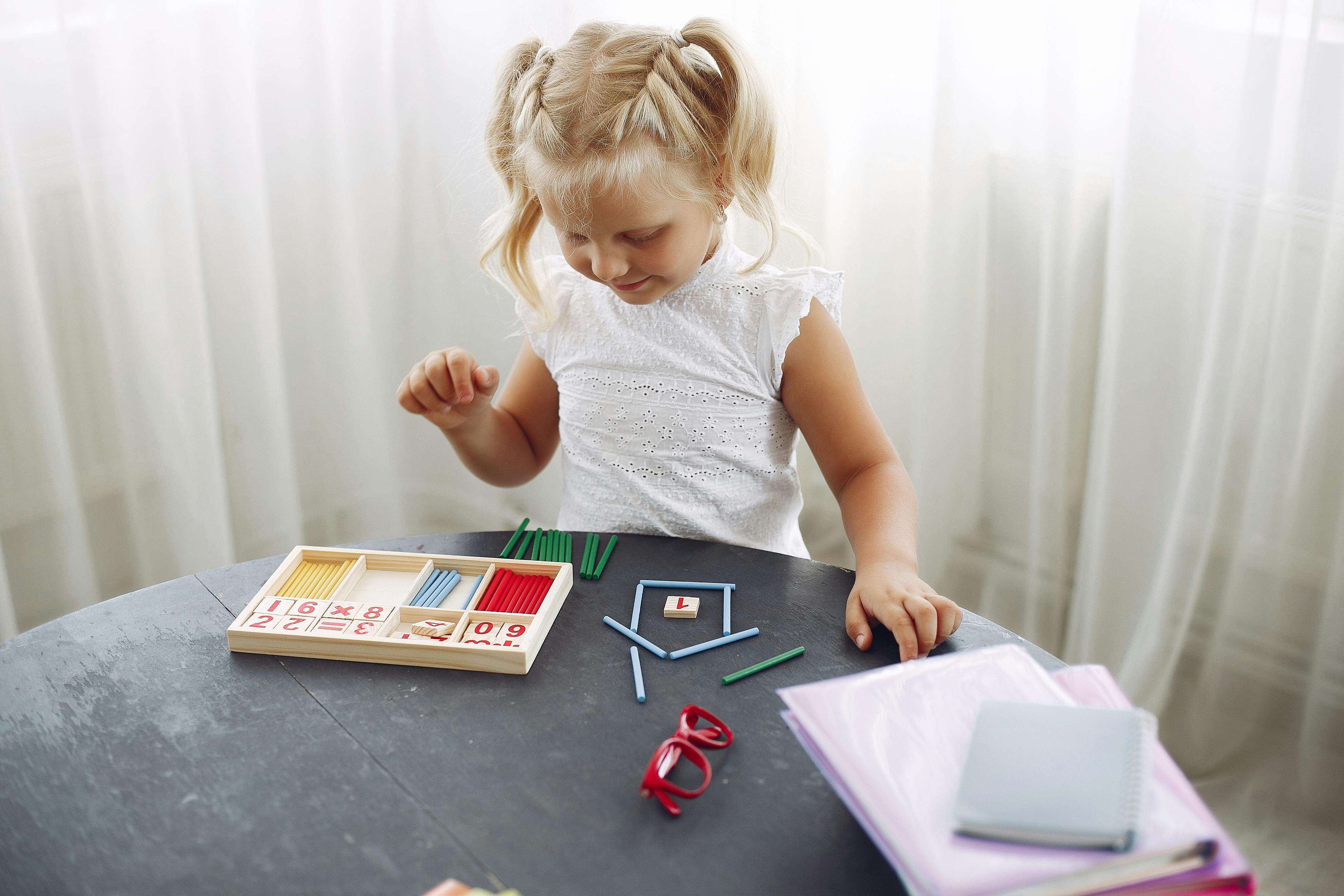
We believe education is about so much more than just what’s in a textbook. In our microschool, students are truly known, supported, and encouraged to grow—not just academically, but as confident, thoughtful individuals. We create a close-knit environment where kids can ask questions, think deeply, build real-life skills, and discover what gives them a sense of purpose.
Our Learning Model
Connect, Conquer, Collaborate, Create.
Students grow through four daily learning modes: Connect, Conquer, Collaborate, and Create, each designed to support both academic growth and real-world skill development. Learners have freedom to move around as needed, frequent access to healthy, brain-boosting snacks, and are encouraged to explore their curiosity through questions and self-exploration.

Connect
Students gather as a group for relationship-building, goal setting, character development and faith-centered discussion, read-alouds, and community conversations that strengthen communication and belonging
Conquer
A focused academic block where students work at their individual level through core subjects like math, reading, writing, spelling, or language arts. This learning mode is typically completed on a provided computer (unless student or parent prefers pencil+paper) and uses an adaptive, self-paced curriculum specifically chosen for each student at the start of the year.
Collaborate
During this learning mode, students engage in social studies, science discussions, group problem-solving, presentations, and teamwork-based activities, building critical thinking and interpersonal skills through shared learning.
Create
This period gives students time for hands-on projects, art, STEM activities, entrepreneurship, maker-space style work, and real-world application projects, helping them apply what they've learned in meaningful and imaginative ways.
What about the curriculum?
We believe a curriculum should not be one-size-fits-all
At the start of the year, students complete an iReady assessment that determines where they are academically. This assessment is adaptive, meaning it adjusts itself as the student answers, and meets the student where they're at. With the results of this assessment, we schedule a GPS (guide, parent, student) meeting to determine which of our curriculum choices fit the child best. We also partner with parents to set attainable goals for the student to meet throughout the year to keep the child motivated, engaged, and determined. These goals are then entered into our online program which generates a learning path for the student to follow throughout the year. The child's goals are customizable and can be increased or decreased at any time to ensure the child remains challenged, engaged, and has a strong desire to excel in their learning journey. Parents have access to their child's online portal that shows what the child worked on each day, whether it was on the computer or a hands-on project. At the end of the year, another iReady assessment is completed to measure the student's growth.
Studies on our curriculum and learning programs have shown that on average, 47% of students exceeded expected growth in reading, and 37% exceeded expected growth in math. Students complete, on average, 1.78 years of English Language Arts (ELA) curriculum, and 34% made more than a year's progress in math.
These statistics show that in a goal-driven, low-pressure learning environment, students set ambitious goals, averaging 1.8 years of academic progress, demonstrating that when students are given ownership, they often exceed expectations.
What if my child has a learning disability or has fallen behind?
While we do not currently have any special education resources, students struggling with certain learning challenges may thrive in our micro-school environment. Many of these students excel when an individualized learning path is created for them, and they can receive frequent one-on-one attention. For students struggling with dyslexia or other reading difficulties, we offer a specific program that supports early, struggling, or dyslexic readers. Studies have shown that students with an IEP showed an average growth of 1.48 years in English Language Arts and nearly a year in math, with about one-third working above grade level by year's end.
For students behind in a certain subject, our curated learning path will meet them where they are and help them achieve their end-of-year goals. More than 30% of students who entered the program one or more grade levels behind achieved a full year or more of growth in reading and math, demonstrating strong progress even when starting below grade level.

Pre-K 4
Our Pre-K program provides a structured, hands-on learning experience designed to prepare students for kindergarten and beyond. Through a blend of early literacy, math, science, art, and nature-inspired exploration, students build a strong academic foundation while developing creativity, curiosity, and confidence.
Lessons are age-appropriate, engaging, and intentionally designed to nurture a love of learning in a supportive, Christ-centered environment. Our small pre-k class will have a dedicated guide and will attend Monday-Thursday 8:30-3:00, with a 90 minute nap time after lunch.
A Microschool Day
We embrace a model where each day looks a little different.
Full-time Program
Monday-Thursday 8:30-3:00
8:30
Morning Prayer, Pledge of Allegiance, Worship time
8:50
Gather in groups for "Connect" mode, focusing on biblical discussions and character development
9:30
Students decide where they would like to work individually on their core subjects for "Conquer" mode. Guides float around the pods to assist each student individually. Brain-boosting snacks are readily available to learners.
11:00
Lunch, lesson reflection, with an emphasis on table setting, proper etiquette, table manners, and remembering to show God appreciation for our meal. Frequent picnics outdoors.
11:30
Pre-K4 nap time begins in the Littles Pod's tents. Students in the Middles Pod and Bigs Pod work individually on cultural studies, reading, finishing Conquer work, or using our various learning manipulatives.
1:00
Pre-K4 nap time ends
On Mondays & Wednesdays, our part-time students join us (see below)
Prayer, Pledge of Allegiance (M+W)
1:10
Students gather in small groups to work on projects relating to science or social studies for "Collaborate" mode. Brain-boosting snacks readily available to students. Collaborate mode is often completed outdoors, weather permitting
2:15
Individual work through "Create" mode including STEM activities, hands-on projects and art, applying what has been learned throughout the day
2:50
Daily reflection, end-of-day prayer
3:00
Student pick-up
Part-time Program
Mondays + Wednesdays 1:00-3:00
1:00
Prayer, Pledge of Allegiance
1:10
Students gather in small groups to work on projects relating to science or social studies for "Collaborate" mode. Brain-boosting snacks readily available to students. Collaborate mode is often completed outdoors, weather permitting
2:15
Individual work through "Create" mode including STEM activities, hands-on projects and art, applying what has been learned throughout the day
2:50
Daily reflection, end-of-day prayer
3:00
Student pick-up